
Life gets busy, schedules and bodies change, and running often falls to the bottom of the priority list. Returning to running can feel overwhelming, especially after a break, injury, or pregnancy. It’s easy to lose confidence in own fitness after time off. Maybe you’re worried about stamina, re-injury, or whether you even remember how to run. It’s completely normal to feel that way.
But you don’t need to run fast, far, or every day to rebuild endurance and confidence. With the right approach, you can gradually reintroduce running without burnout, guilt, or pressure.
4-week plan to start running again is designed to be gentle, safe, and sustainable, helping you regain endurance, rebuild habits, and enjoy the process. The focus is on run-walk intervals, active recovery, and rest, and not your speed or mileage. It’s important to ease back in safely, minimising the risk of re-injury.
For a full, comprehensive guide on mindset, motivation, nutrition, and recovery for a running comeback, check out Getting back into running after a break, injury, or pregnancy.
This 4-week plan gives you simple, actionable weekly schedule to get you moving again – with confidence.
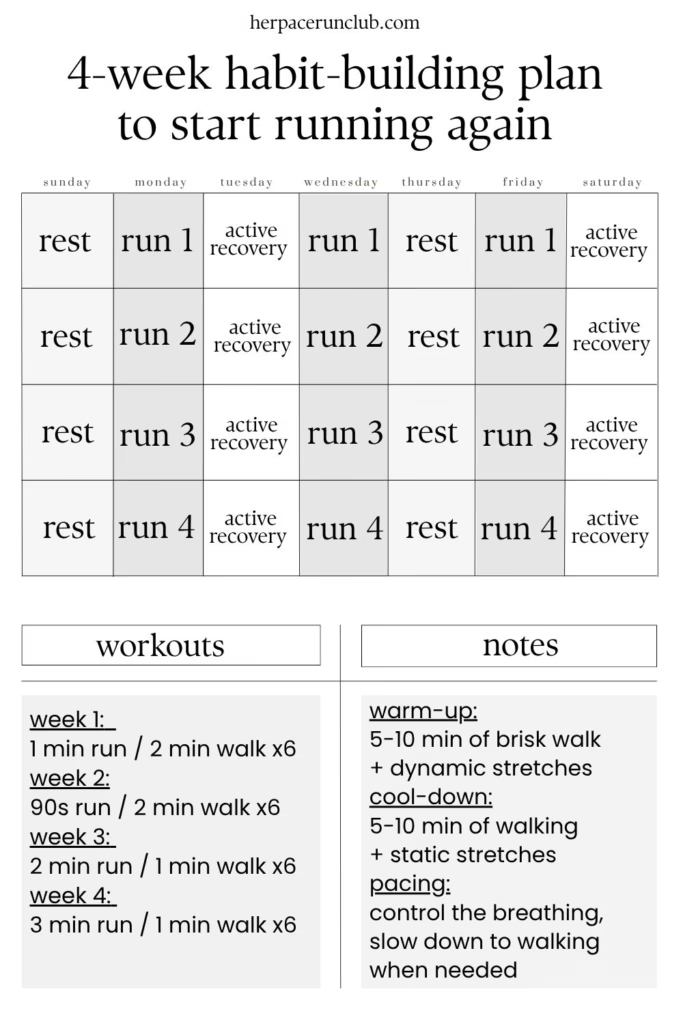
Why this plan works
- Gentle progression: Each week gradually increases the running intervals in a way that allows your body adapt to impact safely.
- Pace: Start slower than you think you should. Keep your breathing steady. If you’re gasping for air, slow down – even to a walking pace if needed. Your body doesn’t care how fast you go; it just needs consistency. Your pace will progressively get better.
- Run-walk intervals: Alternating running and walking helps rebuild endurance without overloading muscles or joints.
- Active recovery days: Walking, yoga, or swimming can keep you moving, while still supporting rest and recovery. Even 30 minutes of movement on non-running days helps with building a habit into your daily routine.
- Two rest days: Recovery is essential and non-negotiable for a safe comeback.
The goal isn’t speed or distance. It’s consistency, confidence, and creating a habit you can actually stick to.
Weekly schedule overview
| Day | Activity |
| Monday | Run-walk workout |
| Tuesday | Active recovery (walk, yoga, swimming) |
| Wednesday | Run-walk workout |
| Thursday | Rest |
| Friday | Run-walk workout |
| Saturday | Active recovery (walk, yoga, swimming) |
| Sunday | Rest |
You can swap days around if needed, or skip active recovery activity, but don’t miss runs and rest days. They are essential to build back successfully and safely.
Before you start, make sure you’re ready to return safely. Check in with your doctor and read Signs you’re ready to start running again for a quick checklist.
Run-walk method
Each workout includes three parts: warm-up, run-walk intervals, and cool-down. Remember to always listen to your body and pause if needed.
Week 1
- Warm-up: 5 min brisk walk / dynamic stretches
- Run-walk: 1 min run / 2 min walk × 6 rounds
- Cool-down: 5 min easy walk
Week 2
- Warm-up: 5 min brisk walk / dynamic stretches
- Run-walk: 90 sec run / 2 min walk × 6 rounds
- Cool-down: 5 min walk
Week 3
- Warm-up: 5 min brisk walk / dynamic stretches
- Run-walk: 2 min run / 1 min walk × 7 rounds
- Cool-down: 5 min walk
Week 4
- Warm-up: 5 min brisk walk / dynamic stretches
- Run-walk: 3 min run / 1 min walk × 5–6 rounds
- Cool-down: 5 min walk
Active recovery days
Active recovery helps your body rebuild fitness without burnout, whilst building a movement habit into your daily routine. Try 10-30 minutes of:
- Walking outdoors
- Gentle yoga or stretching
- Swimming
- Light mat pilates
- Dancing
Any low-impact activity that makes you happy will work great! These gentle movement days are optional, but highly recommended for a safe and successful comeback.
Gear: what you really need to start running again
If it’s been a while since your last run, you might be rebuilding your setup as well. Focus on a few essentials first:
- Running shoes: The most important investment. Make sure they fit well and look for a supportive, cushioned sole. If possible, get a gait analysis at a local running store – or shop online if you already know your fit.
- Sports bra: A supportive sports bra is key for comfort, especially after an injury or postpartum.
- Clothing: There’s no need to buy all new gear at the beginning. Use what you already own – any breathable top, sweat-wicking leggings, or gym shorts that you’re comfortable moving in. Add new pieces only as needed.
- Optional: Running watches or fitness trackers are great tools, but not must-haves. You can easily track intervals with a phone timer or running app.
You don’t need to spend a fortune to start running again. The goal is to build a sustainable habit first. Shopping can wait!

Tips for a safe & sustainable comeback
- Listen to your body: Slight soreness is normal, however sharp pain is a signal to pause.
- Get the right shoes: Read Beginner running shoes for busy women: guide to the perfect first pair.
- Track your progress: Note how long you run, how you feel, and small milestones.
- Celebrate micro-successes: Completed a workout? Felt stronger than yesterday? Small wins matter.
- Stay flexible: Move sessions around if life gets busy, but don’t skip run or rest days.
- Don’t compare: Every comeback looks different. Your effort and progress are valid. Run your own journey.
Frequently asked questions: getting back into running
Start slow and focus on consistency, not speed. Begin with short run-walk intervals and allow time for your body to adapt. A gentle comeback plan, like this 4-week schedule, helps rebuild endurance safely.
Read more: Getting back into running after a break, injury, or pregnancy
If you can walk briskly for 30 minutes without pain, recover well from light activity, and feel mentally ready – you’re likely ready to start running again. Always listen to your body and consult your doctor before restarting running or any fitness routine.
Read more: 7 signs you’re ready to start running again
The biggest mistakes are doing too much too soon, skipping recovery and rest days, and comparing yourself to other runners (or to you pre-break). Consistency and patience matter more than intensity at this stage.
Read more: 9 common mistakes while getting back into running
Yes – but only after your doctor clears you for exercise. Focus on core and pelvic floor strength before reintroducing impact. Gradual run-walk intervals are ideal for rebuilding safely.
Read more: Getting back into running after a break, injury, or pregnancy
There’s no fixed timeline — it depends on your fitness level, recovery, and consistency. For some, it’s a few weeks; for others, a few months. Be patient and celebrate small progress along the way.
Read more: When does running get easier?
Running always feels surprisingly hard in the first weeks, even for fit beginners. Both the body and mind need to coordinate learning a new pattern movement, while managing the mental load of doing something unfamiliar and uncertain, relying only on motivation before consistency and confidence builds.
Read more: The real reasons running feels hard at the beginning.
Next steps
After 4 weeks, you’ll have reintroduced running safely and built back your confidence. What you can do next:
- Repeat the 4-week plan to start running again until ready for longer runs.
- Stick with Week 4 workouts and gradually increase intervals or number of days.
- Transition to a structured plan, like C25K, Nike Run Club training plan, or Runna’s 5K.
The first step is the hardest, and you’ve already taken it – be proud of yourself! Consistency beats perfection every time. Keep showing up, trust the process, and you’ll be back on track in no time!
Keep up with new posts and get some running motivation straight to your inbox! Join The Extra Mile newsletter down below.