Finding the right running shoes can feel overwhelming, especially when you’re trying to build a running habit while juggling work, family, and a never-ending to-do list. But you really don’t need to spend a fortune on a whole shelf of different shoes for every type of run. For most busy women, one great all-rounder runningshoe is more than enough to cover your training, especially at the beginning of your running journey.
One do-it-all pair keeps things simple: no overthinking and no extra shopping. Just lace up, head out, and focus on building a consistent, sustainable routine first. Later, when your mileage increases, you’ll know if you need (or want!) a larger shoe rotation.
In this post, we’ll break down what makes a great all-rounder running shoe, how to choose one without getting lost in details, which models are worth considering, and when (or if) you should start thinking about adding a second pair.
If you’re looking for a deep, step-by-step breakdown of choosing beginner running shoes, check out my Beginner running shoes: a guide to the perfect first pair.
Here’s how to find the one do-it-all pair of all-rounder running shoes that suits your feet, your training, and your life.
One all-rounder running shoe setup for beginners
Starting a running habit is a big change in your life schedule, so keeping things simple is one of the best strategies you can use. A single high-quality all-rounder running shoe reduces decision fatigue, keeps your routine straightforward, and removes the feeling that you need a whole collection of gear just to begin.
Simplicity
At the beginning, consistency matters far more than shoe specs. One do-it-all pair makes getting out the door easier. No wondering which model matches which run, no second-guessing, and no unnecessary decisions that can quietly derail your motivation. Always reaching out for the same shoes makes the habit easier, more natural, and less mentally demanding.
Value
Social media often makes it seem like running requires the newest watch, most expensive high-tech gear, and a full shoe rotation. In reality, one well-cushioned, versatile shoe is more than enough to start. It covers run-walk intervals, easy runs, and even early speed sessions. It’s the only piece of gear worth investing in at the very beginning. It removes the pressure to overspend before you even know what you really need.
Clarity
The early stage of running journey is when your body is still adjusting to impact, new challenges, and movement patterns. Rotating multiple shoes too early makes it harder to understand what actually works for you.
Using one consistent pair helps you learn:
- How a good running shoe should feel;
- What level of cushioning, support, and heel drop you prefer;
- How your body responds to as distances grow;
- What comfort issues to look out for as mileage increases.
This knowledge makes future shoe shopping much easier and far less overwhelming.
A solid foundation
Beginner training is typically built around easy paces and gradual progression, which is exactly what an all-rounder shoe is designed for. There will be plenty of time later to add a second or third pair as your mileage grows, your needs change, and your goals shift. At the beginning, simplicity really does win.
Features of a perfect all-rounder running shoe
When you’re choosing your first running shoe, it’s easy to get overwhelmed by technical terms, brands, trends, and long lists of features. In reality, finding a great all-rounder doesn’t need to be complicated. The best do-it-all shoes share a few simple qualities that make them comfortable, versatile, and reliable for most beginner-friendly training.
Comfort
The most important feature – and the one beginners often overlook – is immediate comfort. A good running shoe should feel great the moment you put it on: no tight spots, no rubbing, no need for “breaking in.” If the shoe doesn’t feel right from the start, it’s far less likely to feel good at mile three.
Appropriate support
There’s no ‘right’ or ‘wrong’ type of support in a running shoe – it has to be right for your personal needs. The best course of action is getting a gait-analysis in a running store before picking your first pair of shoes. There are also some at-home self-checks you can use to determine if you likely need a neutral or a stability shoe – I cover them in my Beginner running shoe guide.
From there, choose a shoe that matches your natural movement pattern:
- Neutral shoes suit most beginners and allow your feet to move naturally.
- Stability shoes can help if your arches collapse noticeably or if you’ve struggled with ankle, knee, or arch discomfort in the past.
The goal here isn’t to fix or change your form. It’s to choose a shoe that supports your foot comfortably and reduces unnecessary strain as your body adapts to running.
Balanced cushioning
The best all-rounder shoes sit right in the middle: cushioned enough to feel soft and protective, but not so squishy that they become unstable. This balance helps absorb impact while giving you enough structure for comfort and confidence – whether you’re running two minutes intervals or building toward longer steady efforts.
Stable feel
A good all-rounder should feel secure and predictable underfoot. This doesn’t necessarily mean choosing a stability category – even neutral shoes can feel steady. When you’re new to running, your muscles are still adapting to impact, so a shoe that feels “secure but not stiff” can reduce wobbling or fatigue and make you more comfortable and confident.
Lightweight design
A good do-it-all shoe should feel light on your feet. Lightweight shoes make running feel easier, especially when you’re new and still building endurance. The goal is to feel supported, not weighed down.
Secure fit
A comfortable heel hold, a midfoot that feels snug but not tight, and enough wiggle room in the toe box are the key elements of a good fit. Most runners need to size up by about half to one size up from their everyday shoes. Your feet swell as you run, so the extra space matters for preventing discomfort and blisters. Running in a shoe that truly fits your foot shape makes a bigger difference than any foam or plate could.
Looking for regular-width shoe with an extra toe space? Read Best running shoes with roomy toe box.
Durable outsole
An all-rounder should easily take you through your first months of training. Look for a model with a durable outsole for the terrain you’ll run on the most – something that can handle sidewalks, treadmill, park paths, or light trails with enough traction to feel safe and without wearing out too quickly.
Full checklist
If you’d like a deeper breakdown of cushioning types, stability categories, fit and sizing checks, and maintenance tips, read Beginner running shoes: guide to the perfect first pair.
Shopping for an all-rounder running shoe
Once you know what features to look for, the next step is actually choosing and buying your pair. Both trying shoes in person and ordering online can work, as long as you know what to expect from each.
Running store
If you’re able to visit a running store, it’s one of the simplest ways to find your perfect all-rounder. Staff can look at your foot shape, watch your running form, and help you narrow down the options without guesswork. You can try different brands, compare fits on the spot, and walk out with a pair that feels right immediately.
A store is also a great choice if you’ve struggled with injuries in the past, have very narrow or wide feet, or feel unsure about your support needs.
Online shopping
If a local running store isn’t an option, ordering online can work just as well, especially with generous return policies. Most runners try two or three models at home, test them indoors, and keep whichever pair feels the most natural and comfortable.
A few helpful at-home checks:
- walk around for a few minutes
- check for rubbing at the heel or toes
- make sure the midfoot feels secure, not squeezed
- check for enough space in the toe box
- do a few light jogs in place to sense cushioning and stability
If something feels off now, it won’t improve on the run.
Buying used
Running shoes mold to the original wearer’s foot shape and movement pattern, especially in the midsole and insole. This is why it’s not the best idea to get a pair that’s already been worn by someone else. The wrong fit can lead to discomfort, unstable landings, or even small aches that make building consistency harder.
It’s also impossible to know how many miles the shoes really have left in them. A shoe can look almost new but still have compressed, worn-out foam.
It’s much safer (and often more cost-effective long term) to buy a new or discounted older model from a reputable shop.
Choosing the right shoe for you
Whether you buy in-store or online, the goal is simple: find the pair that feels comfortable, natural, and supportive from the start. Once you have that one reliable do-it-all shoe, building your running habit becomes so much easier.
Best all-rounder running shoes for beginners
Here are some reliable, beginner-friendly models that work well as do-it-all shoes. They’re comfortable, versatile, and designed to support the kind of training most new runners will be doing: run-walk intervals, easy runs, treadmill work, and early distance building.
(No shoe is “perfect” for everyone — the right one is the one that feels comfortable on your feet.)
ASICS Novablast 5
Soft, springy, and fun to run in. The Novablast is great if you like a slightly more energetic, bouncy feel underfoot. It’s cushioned enough for beginners but lively enough to grow with you as your runs get faster longer. The most popular all-rounder for a reason.
Best for: runners who prefer a soft, bouncy ride.
New Balance Fresh Foam X 1080 v14
Plush, smooth, and very beginner-friendly. The 1080 has a soft underfoot feel that absorbs impact well without feeling unstable. It works especially well for easy and steady running days, and is one of the most comfortable options for longer sessions.
Best for: runners who want maximum comfort and a soft landing.
Nike Vomero 18
A classic cushioned trainer with a balanced, premium feel. It offers good softness without losing stability, making it a great option if you want a shoe that feels protective but still responsive. Reliable, durable, and very comfortable on pavement.
Best for: runners who like cushion but want a slightly firmer, more supportive feel than super-soft shoes.
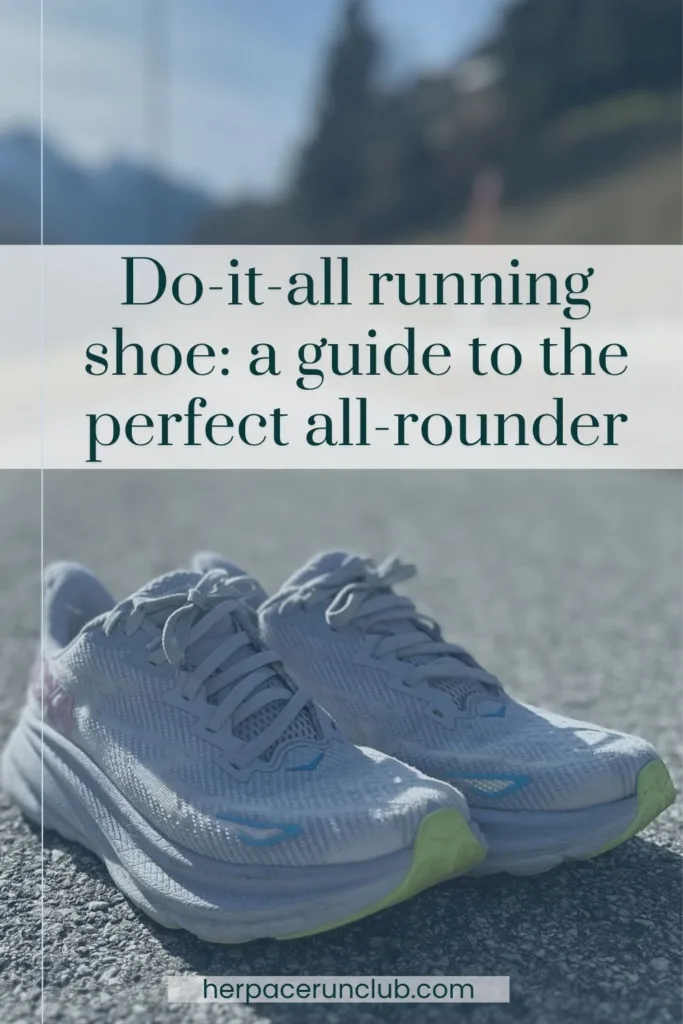
Hoka Clifton 9
Light, cushioned, and smooth. The Clifton is one of the most popular beginner shoes because it feels soft without being mushy and rolls nicely from step to step. It’s great for daily miles, walk-run plans, and building early endurance.
Best for: runners who want a lightweight, cushioned, easy-going shoe.
Read my Hoka Clifton 9: review after 450 miles next.
Brooks Ghost 16
Comfortable, durable, and very consistent. The Ghost is a classic neutral daily trainer with a universally comfortable fit, making it a safe choice for many beginners. It handles everything from short, easy runs to first longer tempo sessions.
Best for: runners who want a simple, reliable, and versatile shoe.
Saucony Ride 17
Balanced, smooth, and supportive without added stability features. The Ride 17 has a slightly firmer feel than softer models, which many beginners find reassuring. It’s versatile, durable, and offers a very secure fit.
Best for: runners who prefer a stable, slightly firmer ride.
Puma Velocity Nitro 3
One of the best value shoes on the market. The Nitro foam feels light and energetic, and the shoe is surprisingly stable for how soft it feels. It performs like a premium model at a lower price point, which makes it a great first shoe.
Best for: runners looking for high performance at a more affordable price.
Mizuno Wave Rider 28
A well-balanced, dependable all-rounder with a slightly firmer, more stable feel. The Wave Rider offers a smooth transition and a very durable outsole, which is great for beginners who run mostly on pavement. It doesn’t feel overly soft, making it a good option if you like a more responsive shoe with a touch of structure.
Best for: runners who want a responsive, steady ride with excellent durability.
Maintenance tips for running shoe longevity
Once you find a pair of running shoes you love, a few simple habits can help them last longer and keep their cushioning feeling fresh. You don’t need a special cleaning routine or fancy tools – just small, consistent habits that protect the foam and fabric.
Cleaning
To keep your shoes clean, wipe off any dirt and mud after every run, rinse the outsole under warm water, and use a soft cloth or sponge for any stains.
There’s a lot of conflicting advice about machine-washing running shoes, as it may damage the foam of break down the glue. I personally do gentle machine-wash my all my running shoes once or twice in their lifespan and have never had any problems, but your mileage may vary. If you decide to try, remove laces and insoles, place your shoes in a pillowcase or a wash bag, add some blankets or towels to the washer, and use a low-temp program.
Air drying
Running shoes last longer when they have time to dry fully between runs. After each run, loosen the laces, pull out the insoles, and let them air out in a warm, well-ventilated spot, or stuff them with newspaper.
If you run often or in wet weather, an electric shoe dryer is a game-changer – it dries shoes gently and quickly without damaging the foam.
Decompressing
Foam needs time to recover between runs. Try not to wear your running shoes for everyday walking, errands, or work. Saving them only for training helps the midsole stay springy and supportive for much longer.
Storing
Keep your shoes in a cool, dry place – not on the porch, in a damp basement, in a car, or directly next to a heating source. Proper storage protects the midsole and prevents premature breakdown.
Mileage tracking
Most running shoes last around 250-375 miles (400–600 km), depending on the model and your running style. Tracking mileage in a running app (like Strava or Runkeeper) helps you know when it’s time to replace them.
Signs it’s time to retire your pair include: flattened cushioning, a worn outsole, and new aches appearing.
Building a shoe rotation
A single all-rounder running shoe is more than enough when you’re just starting out. But as your training grows and your goals change, your shoe needs may change with them. There’s no rush – and definitely no pressure – to expand your rotation early. You’ll know when the time comes.
More weekly running
If you’re running four or more times a week, your shoes have less time to decompress between sessions. Adding a second pair helps the foam recover fully and keeps both shoes feeling fresher for longer.
Longer distances
Once your runs start getting longer, you may notice your needs changing. Some runners prefer extra cushioning for long runs and something lighter for everyday miles.
Speed work and racing
If you begin incorporating speed work (strides, intervals, tempo runs), having a lighter, more dynamic shoe can make a big difference in your performance.
Terrain or seasonal changes
When conditions shift, your shoe choice might need to shift as well. A second pair can help if you start running on muddy, wet roads or trails.
Read Best rainy weather running gear next for detailed recommendations.
Recovery
If you start running more often, you might like a max-cushion shoe for easy and recovery runs. It’s typically a little heavier, supportive, and bouncy shoe that lets you put on the mileage without increasing the load on your joints.
You don’t need to expand your rotation early.
As your running becomes more consistent and your goals grow, you’ll naturally start to feel when a second pair would help – and what kind of shoe that should be.
FAQ: Do-it-all running shoes
An all-rounder running shoe is a versatile, neutral-style trainer designed to handle most types of beginner-friendly running: run-walk sessions, easy miles, first speed workouts, and longer runs. It’s cushioned, comfortable, and built for everyday training – making it the perfect “one pair to start with” when you’re new to running.
Using one reliable pair keeps your routine simple and removes decision fatigue, which is especially important when you’re building a new habit. It’s budget-friendly, beginner-friendly, and makes it easier to understand what works for your feet before you invest in more shoes later on.
Your running shoe should feel comfortable the moment you put it on: snug around the midfoot, secure at the heel, and with enough wiggle room in the toe box. Most runners need about half a thumb’s width of space at the front. If something feels tight, stiff, or “not quite right,” it won’t improve on the run.
Start with a gait analysis or a simple at-home form and fit self-check, then look for immediate comfort, balanced cushioning, and a secure, natural feel. Try two or three models if possible and choose the pair that feels the most comfortable from the first step. If you want a full checklist, see my beginner running shoe guide.
Most beginners only need one pair at first. You’ll know it’s time for a second shoe when you’re running three or more times per week, your distances are increasing, or you want different shoes for easy runs vs. faster efforts. As your routine grows, your shoe rotation can grow with it.
Final thoughts
Starting your running journey doesn’t have to be complicated. One comfortable, reliable all-rounder running shoe is more than enough to help you build consistency, stay motivated, and enjoy those early miles without overthinking your gear.
As your routine builds, your confidence will grow with it – and you’ll naturally learn what you like, what you need, and when it might be time to add another pair to your rotation. At the beginning, simplicity really does win.
Focus on showing up, building a habit that fits your life, and taking it one step at the time. The right shoes make those small, steady steps feel that much easier.
Read more:
