
Winter running is a mental challenge just as much as a physical one. But the benefits are so worth it. In my last post, I explained how keeping up your running routine through the darker months helps strengthen your immune system, boost your mood, and protect the habit you’ve worked hard to establish. Staying consistent through winter pays off right after the snow melts: instead of struggling to get back into it in the spring, you’re miles ahead – literally. But consistency depends on comfort – and comfort starts with smart winter running layering.
Dressing correctly keeps you warm, comfortable, and confident enough to head out the door, even in dark or freezing conditions. In this guide, we’ll cover exactly how to dress for winter running: base, mid, and outer layers, fabric choices, accessories, gear cleaning routines, budgeting sustainably, and creating a winter capsule wardrobe that lasts.
Best fabrics for winter running layers
Not all fabrics handle cold, sweat, and movement equally. Pick materials that wick moisture and keep you warm:
- Merino wool: regulates temperature, stays warm even when damp, and naturally prevents lingering smells.
- Technical synthetics: lightweight, quick-drying, and durable – great for frequent runs.
- Fleece: ideal for mid-layers, trapping heat without adding bulk.
- Cotton: skip it – it holds sweat and make you feel cold and uncomfortable once you stop moving.
Taking good care of your gear keeps its performance and longevity. Wash layers on gentle, cool cycles, skip fabric softeners, and air dry whenever possible. Mid-layers don’t need a wash after every run. A good rule is to clean them when they start to feel sweaty, lose loft, or smell. Outer shells with wind- or water-resistant coatings need special detergents to protect their finish and usually only require washing a few times per season, or when they get visibly dirty. For small spots or light dirt, a quick wipe with a damp cloth can extend the time between washes and keep your shell looking and performing like new.
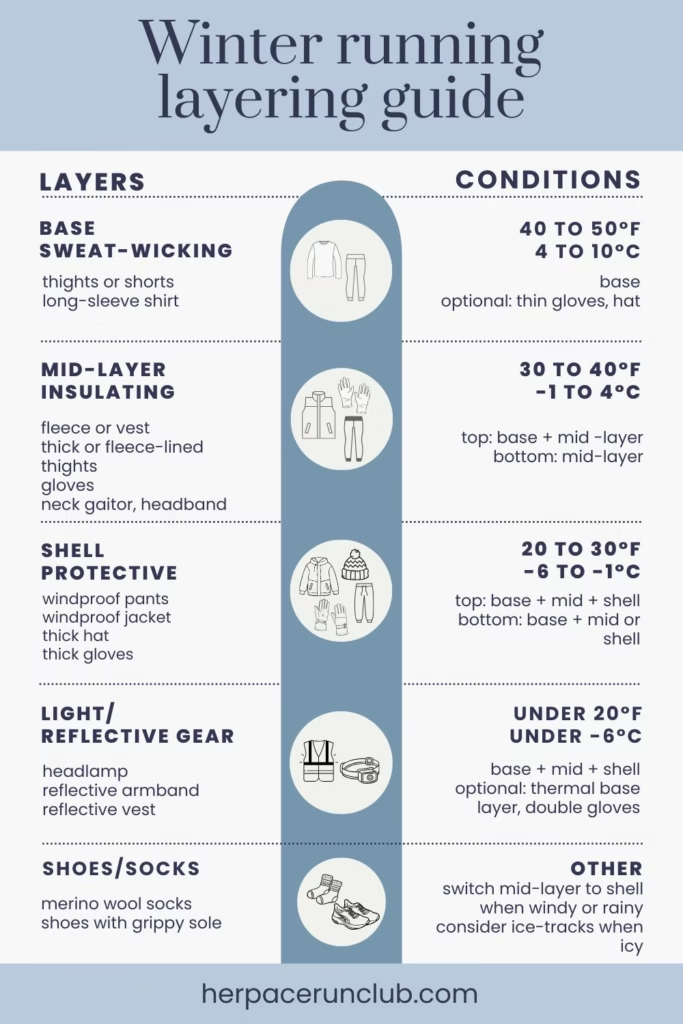
Winter running layering: the three-layer system
Think of your winter running outfit as a three-part system: base, mid, and outer layers. Each has a specific role in moisture management, insulation, and protection. This stratification method allows you to stay dry and warm without overheating – in any conditions.
Base layer: moisture management
Your base layer sits next to the skin and wicks away sweat. Merino wool, and thermal technical synthetics (polyester or nylon blends) are ideal.
Mid layer: insulation
This layer keeps you warm without adding too much bulk. Fleece, light down, quarter-zip, or vest work well. On milder days, you might skip it; in sub-zero temperatures, it becomes essential.
Outer layer: protection
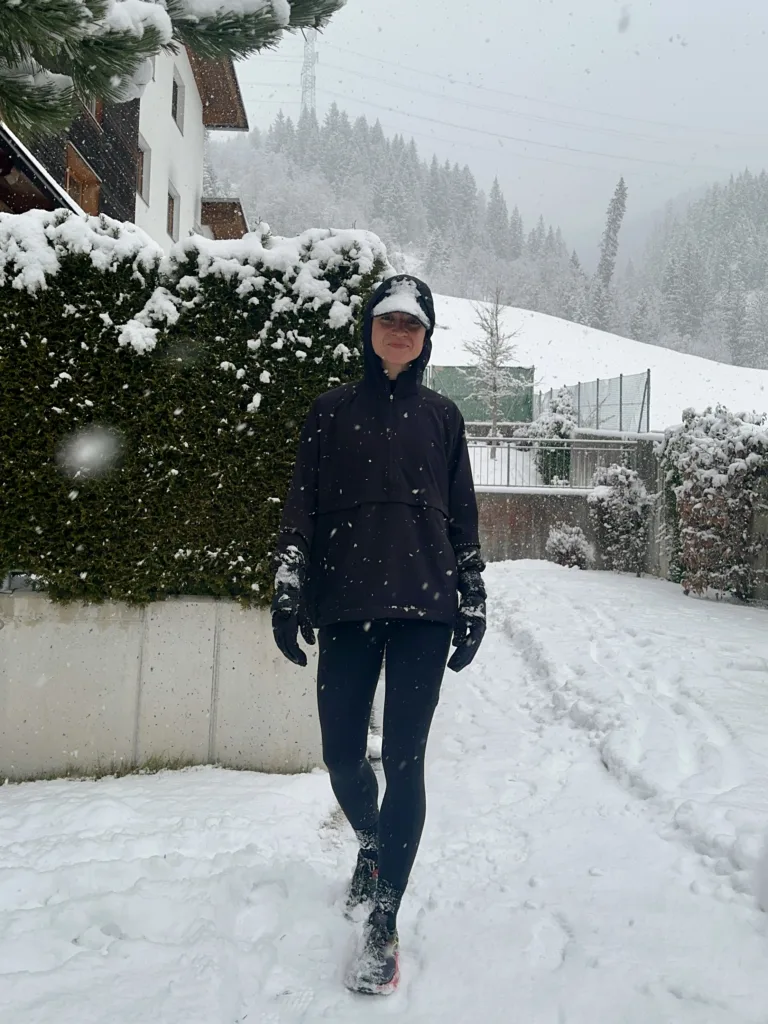
The outer layer shields against wind, rain, and snow. A lightweight, breathable wind- or water-resistant shell works best. Ventilation panels help prevent overheating.
Here are a few jacket options worth looking at:
- Oiselle Say Nothing Jacket – premium option that’s lightweight, flattering, and impressively breathable for its level of water resistance.
- Brooks Canopy Jacket – a fan favourite that packs down small and offers great ventilation. The fabric feels soft, not crunchy, and the fit offers a good balance between sleek and roomy enough for layering.
- Adidas Own The Run Jacket – affordable and reliable classic. Water-resistant with a comfortable fit, it’s a great pick for runners who want practical weather protection without overspending.
- Salewa Puez Aqua Jacket – A 2.5-layer hardshell with a waterproof, breathable Powertex membrane. My pick for the hardest conditions – very light, although a bit stiff jacket that protects from wind, rain, and snow. It also doubles as my hiking jacket!

Tips
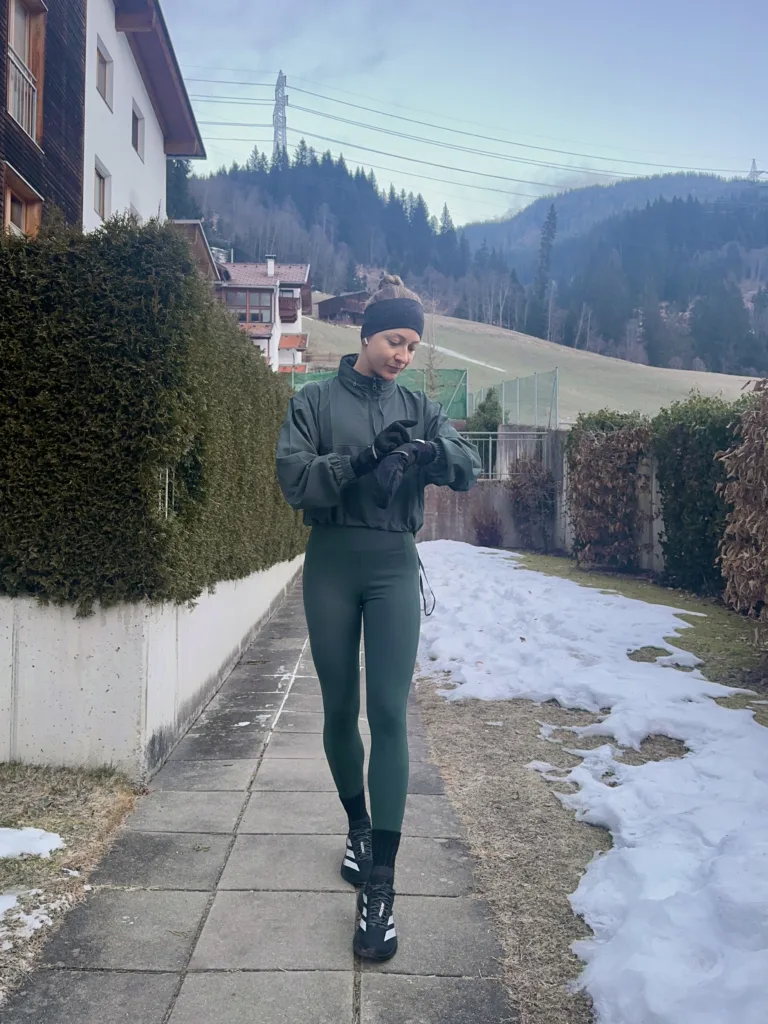
- Dress as if it’s 10-20°F (5–10°C) warmer than it is. Your layering system will warm you up quickly once you start running.
- Check the conditions before you go out – you want to factor in wind, rain, and snow.
- For a quick outfit suggestion, check your location at dressmyrun.com – I find it remarkably accurate. For detailed recommendations what to wear when it’s raining, read my Best rainy weather running gear.
Essential winter running accessories
Accessories are essential to complete your winter running layering system. They’re small details with a big impact on comfort and safety.
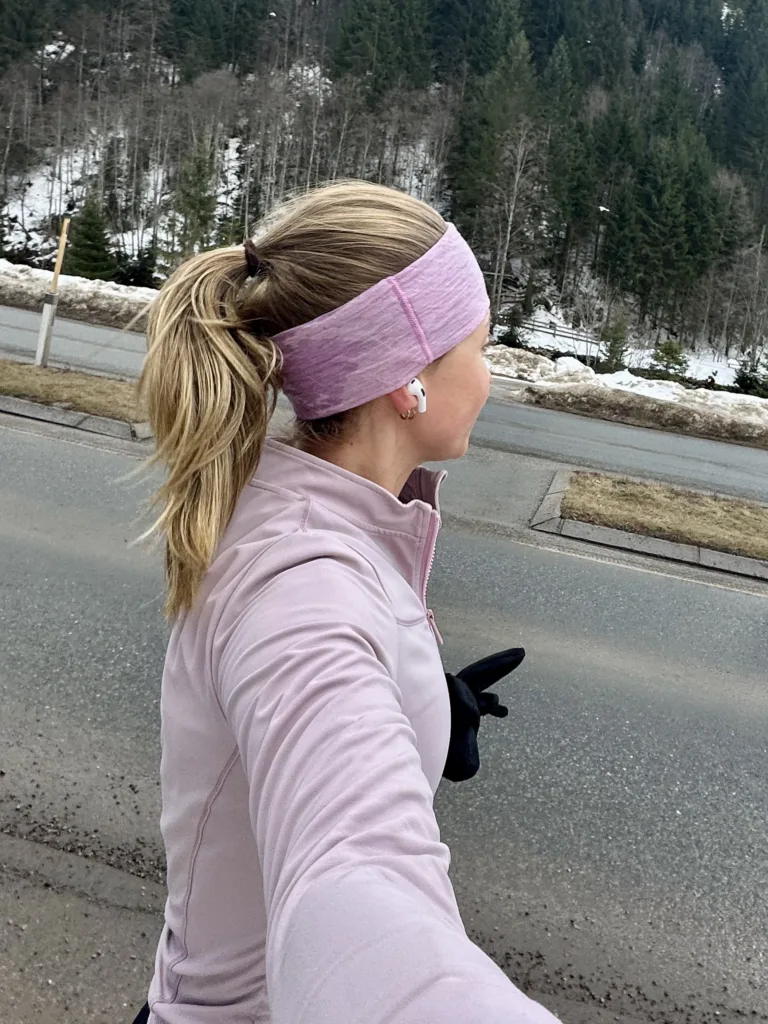
Head and neck: lightweight hat, headband, or buff to protect your ears from cold. Neck gaiters shield against wind, and you can adjust them up or down as you warm up.
I love merino wool accessories – they’re light, warm, and breathable. I have a couple of BUFF headbands and neck gaiters and can’t recommend them enough!
Hands: two pairs of gloves – thin for mild runs, insulated for cold or windy days. Layering gloves and using single-use hand warmers helps a lot on very cold mornings.
Feet: merino wool socks keep your feet warm even when wet. Avoid bulky, restrictive socks that can reduce circulation.
Read my Winter running essentials next for details!
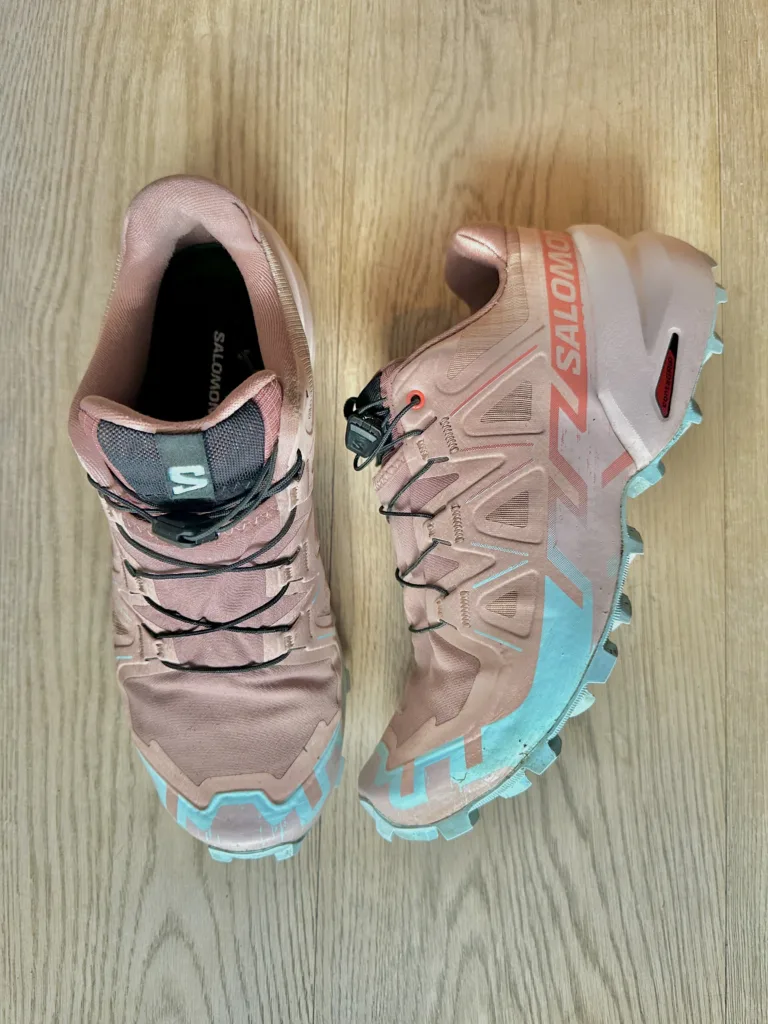
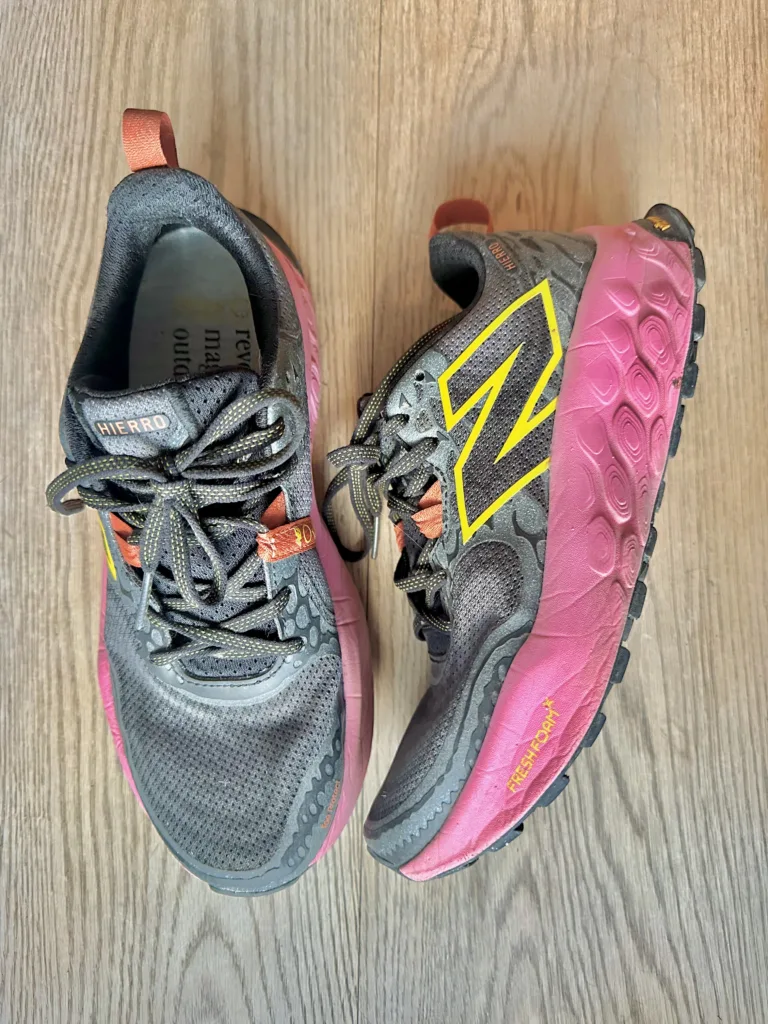
Best shoes for winter running
Footwear is critical in your winter running strategy. Traction is essential to keep you safe on cold weather runs.
- Trail shoes: offer best grip on snow or slush.
- Hybrid shoes: ‘road to trail’ options with good traction.
- Ice grips/Yaktrax: very useful on icy paths.
- Waterproof shoes: can trap sweat and make your feet feel damp and cold. I personally prefer breathable shoes with merino socks. Even after stepping in a cold puddle, they dry quickly while staying warm the whole time.
My favourite, tried-and-trusted winter running shoes:
Tip
Stuff your shoes with newspapers after your run to keep them fresh and dry – or use an electric shoe dryer (I use mine all year round!).
Sustainable winter running gear : spend vs save
Winter running doesn’t require a full closet of technical gear. You can build a great base without overspending. Focus on quality where it matters, and repurpose what you already own.
Worth investing in: good shoes, base layers, quality shell.
Save on: mid-layers (repurpose hiking fleece, old ski tops), accessories (affordable hats, buffs, gloves).
Select versatile pieces – merino wool long-sleeves and fleece-lined thighs can look great in casual wear as well. Care for your gear properly, and you’ll have a sustainable, functional wardrobe that supports your running habit for years, not seasons.
Building a capsule wardrobe for winter running
A capsule winter running wardrobe takes the guesswork out of getting dressed and keep your options versatile. Here’s a simple, basic setup that covers most conditions:
- 2 base layers (merino and synthetic)
- 1–2 mid-layers (fleece, a vest or a thermal long-sleeve)
- 1 outer shell
- Key accessories (gloves, hat, buff, socks)
Proper washing and air drying keeps fabrics performing well for longer. This system allows you to mix and match pieces depending on temperature, conditions, and distance you’re running. It’s a practical approach you can rely on, no matter what winter throws at you.
Stay comfortable and consistent
Effective winter running layering is not just about comfort – it’s protecting your habit. When you’re comfortable and prepared, it’s easier to get out the door even on those dark, cold mornings. Keeping your routine through winter pays off in multiple ways that go far beyond fitness.
Experiment with layering to see what works best, adjust for your personal comfort, and trust your layering system. With the right approach, there’s no such thing as bad weather.
If you haven’t yet, head over to my Winter running guide: cold weather tips and gear for women for a full breakdown of preparation, safety, route planning, fueling, and recovery.
Or check out Winter running motivation: how to stay consistent through the holiday season, where I share strategies to keep your routine steady when the days are cold and life gets busy.
